
Washington State's strict spam texts laws prioritize consumer protection by mandating explicit consent for bulk messaging. Businesses adapt with personalized marketing models and data analytics, while the Attorney General's Office enforces regulations with penalties up to $10,000, safeguarding residents from fraud and securing privacy rights.
In recent years, the impact of spam text messages has prompted Washington State to implement stringent anti-spam laws. This article delves into the intricacies of these regulations, focusing on their effects on businesses, marketers, and consumers alike. We explore how the laws enhance consumer protection and privacy while also scrutinizing enforcement mechanisms and penalties for violations. By understanding these dynamics, businesses can navigate the regulatory landscape effectively, ensuring compliance and mitigating potential risks associated with spam texts in Washington State.
Understanding Washington's Spam Text Laws

Washington State has implemented strict regulations to combat the nuisance and potential harm caused by spam text messages, also known as unsolicited bulk texting. These laws aim to protect residents from unwanted and fraudulent communications, providing them with tools to safeguard their privacy. The key aspect of these regulations is that they require businesses and individuals to obtain explicit consent before sending text messages for marketing or promotional purposes.
This means that companies must have a valid opt-in system in place, allowing subscribers to choose whether they wish to receive texts from specific senders. Violations of these spam text laws can result in significant fines, highlighting the state's commitment to ensuring a peaceful and secure digital environment for its residents.
Impact on Businesses and Marketers
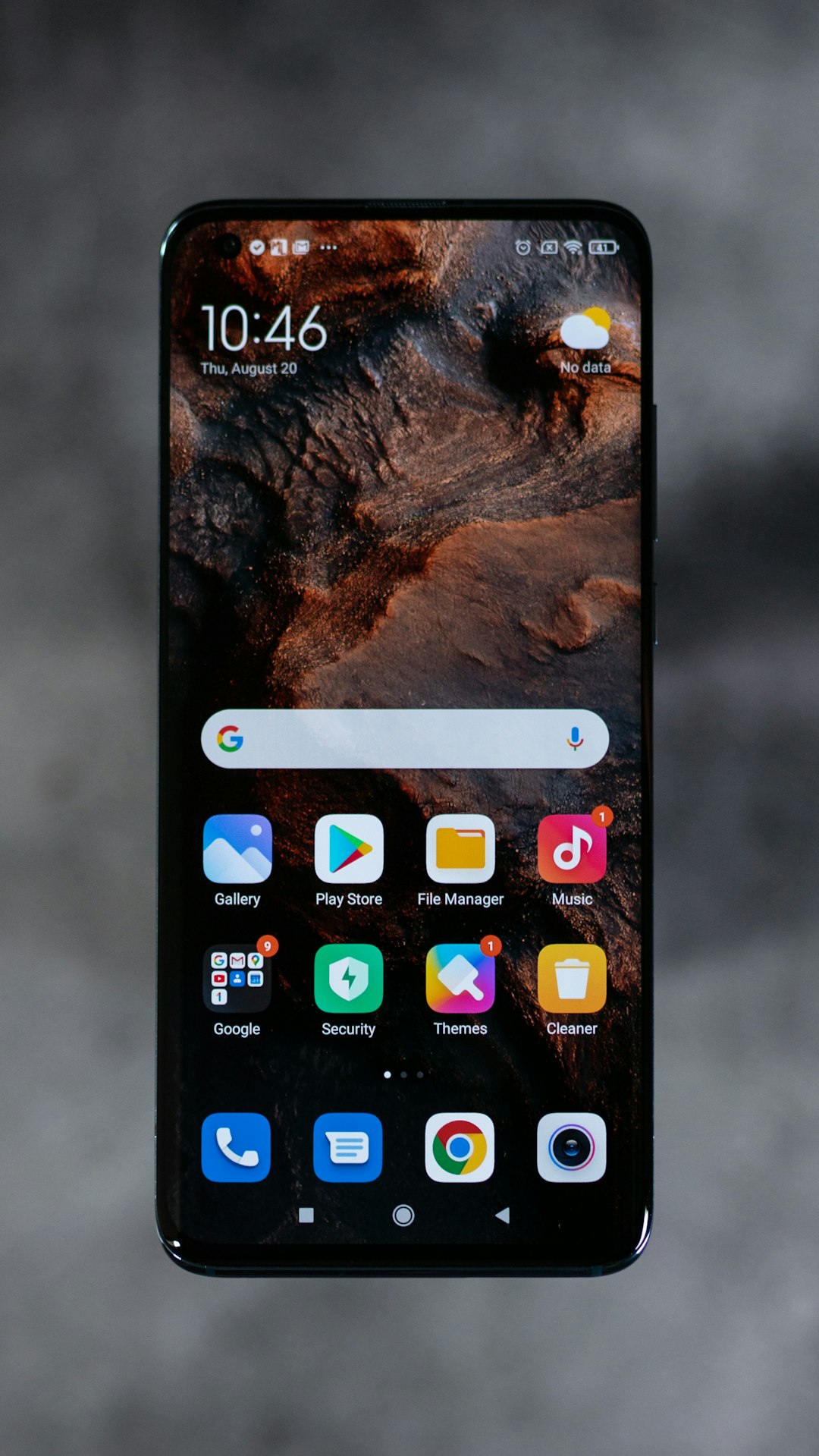
The implementation of strict spam text laws in Washington State has had a profound impact on businesses and marketers across various industries. These regulations, designed to protect consumers from unsolicited and potentially harmful messages, have forced companies to reevaluate their communication strategies. Many legitimate businesses that once relied on SMS marketing for customer engagement and promotions now face the challenge of separating themselves from spammy practices while adhering to stringent legal frameworks.
As a result, marketers are adopting more personalized and targeted approaches to reach their audiences. This shift has led to an increased focus on consent-based messaging, where customers explicitly opt-in to receive communications. Businesses are investing in sophisticated data analytics tools to understand consumer preferences and behavior, enabling them to deliver relevant content that builds trust and fosters genuine connections with their target market. The new normal in Washington State requires businesses to be more creative and strategic in their marketing efforts while ensuring compliance with spam text laws.
Consumer Protection and Privacy
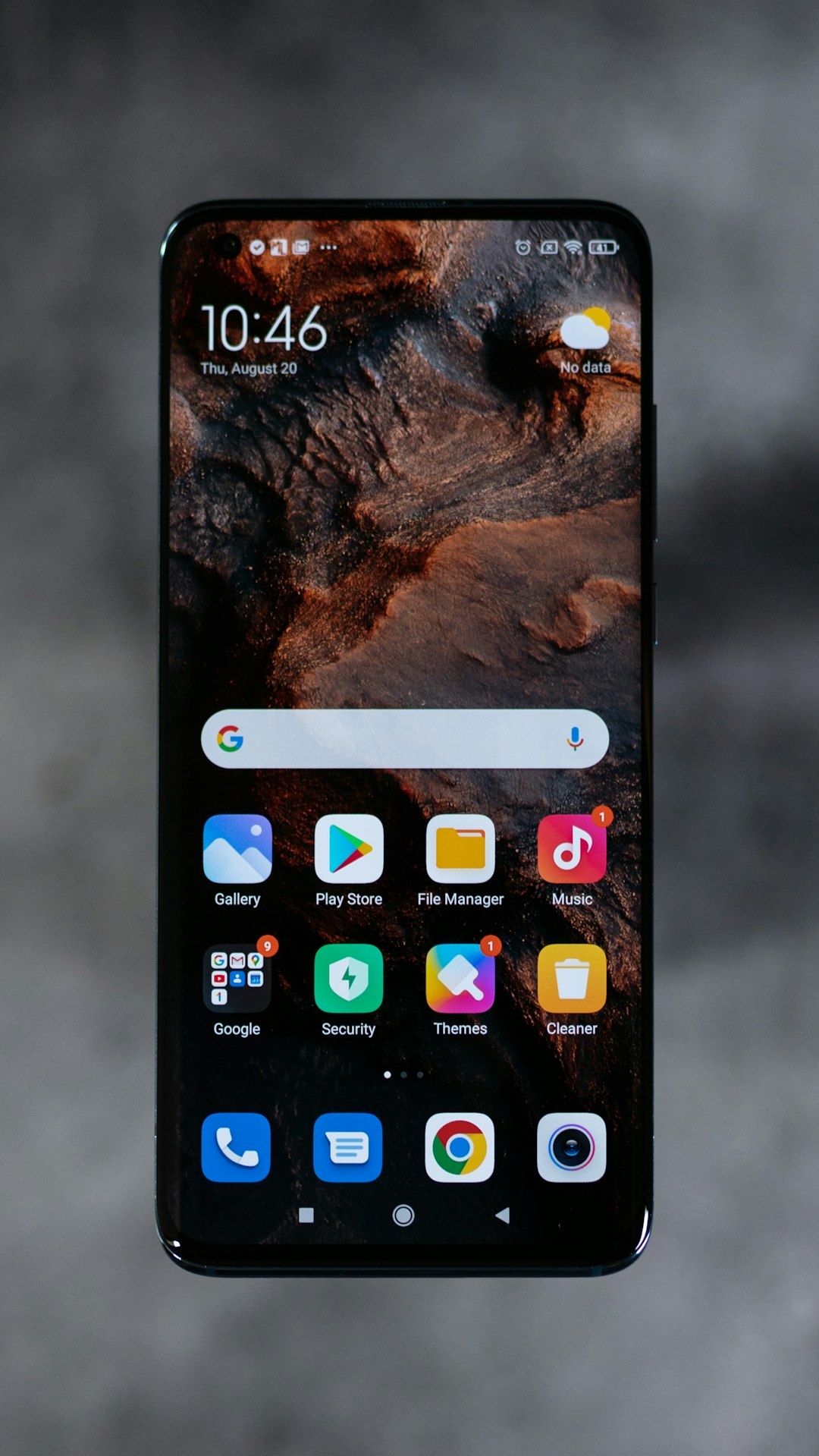
The spam text laws in Washington State are designed with a dual focus on consumer protection and privacy. These regulations aim to safeguard residents from unwanted and deceptive messaging, ensuring their personal information remains secure. Under these laws, businesses are prohibited from sending mass text messages that promote or advertise products or services without prior consent from the recipients. This significantly reduces the volume of spam texts consumers receive, thereby minimizing the risk of falling victim to fraudulent schemes or identity theft.
Furthermore, Washington's strict adherence to consumer privacy ensures that personal data is handled with utmost care. Companies must obtain explicit permission before using a customer's phone number for marketing purposes, and they are required to provide an opt-out option in every text message. This empowers consumers to take control of their communication preferences, allowing them to choose what kind of messages they receive and when.
Enforcement and Penalties for Violations

Enforcement of the spam text laws in Washington State is handled by the Attorney General's Office, which has the authority to investigate and take legal action against violators. The penalties for violating these laws can be severe. First-time offenders may face fines ranging from $100 to $500 per violation, while subsequent offenses can result in penalties up to $10,000 or more. Additionally, businesses found guilty of spamming could suffer reputational damage and loss of customer trust.
The Attorney General's Office employs several strategies to detect and prevent spam texts. These include consumer complaints, random sampling of text messages, and collaboration with telecommunications companies. By leveraging these methods, the office aims to deter spammers and protect Washington State residents from unwanted and fraudulent text messages.