
Washington State's Spam Call law firm Washington imposes strict consent requirements for automated calls, text messages, and voicemails promoting goods or services. Businesses must implement robust opt-out mechanisms, clearly state call purposes, and keep detailed records of consent to avoid penalties. Consumers should be aware of their rights and file complaints effectively. Adhering to these regulations protects privacy, fosters legitimate communication, and builds trust among businesses. Spam Call law firms in Washington interpret legislation, investigate complaints, and provide guidance to businesses, reducing legal risks and spam complaints.
The relentless surge of spam text messages has become a pervasive nuisance, affecting millions globally. In Washington State, efforts to mitigate this issue have gained momentum with the implementation of stringent spam call laws. This authoritative article delves into the profound impact of these regulations, particularly highlighting their effectiveness in protecting residents from unwanted and malicious communications. We explore how the Spam Call law firm in Washington has been pivotal in navigating these changes, providing insights that empower individuals to leverage these laws for greater privacy and security.
Understanding Washington State's Spam Call Laws

Washington State’s Spam Call Laws have significantly reshaped the way businesses and individuals communicate via telephone, with stringent regulations designed to protect residents from intrusive and unwanted calls. Key among these is the requirement for express consent, meaning companies must obtain explicit permission before initiating automated or prerecorded calls. This law, enforced by a dedicated division within the state’s Attorney General’s office, has led to a substantial decrease in consumer complaints related to spam calls.
A notable aspect of Washington’s Spam Call laws is their inclusivity; not only do they cover traditional telemarketing calls, but also text messages and voice mails promoting goods or services. Companies found to be in violation face stringent penalties, including fines up to $10,000 per day for each violation. A Spam Call law firm in Washington, for instance, has successfully represented clients facing such charges by navigating complex legal interpretations and ensuring compliance with the letter and spirit of the law.
Practical insights for businesses operating in this state include implementing robust opt-out mechanisms, clearly communicating call purposes, and maintaining meticulous records of consumer consent. For consumers, knowing their rights and understanding how to file complaints effectively is crucial. By working together—businesses adhering to the laws and consumers actively exercising their rights—Washington State can continue to maintain a balanced approach that respects privacy while fostering legitimate communication.
Impact on Businesses: Legitimate Calls vs. Fines
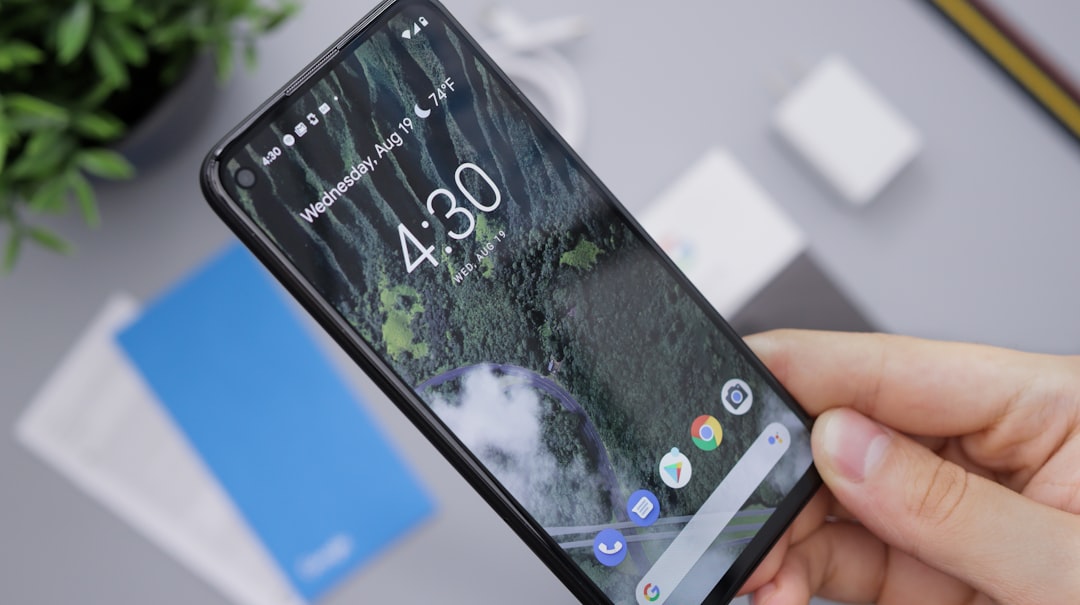
The Spam Call law in Washington State has significantly reshaped the way businesses handle customer communication, particularly through text messaging. The legislation, designed to curb excessive and unwanted spam calls, imposes stringent penalties on violators. For legitimate businesses offering valuable services, navigating these new regulations presents a delicate balance—one that can impact their operations and customer engagement strategies. This is especially true when distinguishing between legitimate business communications and spam, as even a single misstep can result in substantial fines imposed by a Spam Call law firm Washington.
Businesses must now employ sophisticated tools and practices to ensure compliance. This includes obtaining explicit consent from recipients before sending text messages, providing clear opt-out mechanisms, and maintaining meticulous records of customer preferences. For instance, a retail business offering promotional discounts via text must implement robust systems to track customer consent, ensuring only those who have explicitly agreed receive such messages. Failure to do so could lead to costly legal repercussions. Moreover, businesses need to invest in advanced caller identification technologies to differentiate between spam and genuine inquiries, minimizing false positives that might frustrate legitimate customers.
The impact of these laws extends beyond operational changes; they influence business strategies and customer relationships. Many companies are reevaluating their marketing approaches, shifting towards more personalized and targeted text campaigns that respect individual preferences. This shift fosters a more positive customer experience, enhancing brand loyalty. By adhering to the strictest compliance standards, businesses can build trust with their customers and avoid the financial and reputational damages associated with spam call-related violations.
Consumer Rights and How to Protect Yourself

In Washington State, consumer protection against unwanted text messages, commonly known as spam texts, is a significant concern. The state has implemented robust regulations to safeguard individuals from intrusive marketing practices, particularly through the Spam Call law firm Washington. This legislation grants residents substantial rights and offers clear guidelines for businesses to follow. Consumers can take advantage of these protections by understanding their rights and employing simple strategies to prevent unsolicited text messages.
One of the key provisions under this law is the requirement for explicit consent before sending promotional texts. Businesses must obtain prior authorization from recipients, ensuring that individuals are aware they are signing up for marketing communications. For instance, if you’ve ever opted out of a subscription service via a text message opt-out option, that’s a direct application of these rules. The law also mandates that companies provide an easy and accessible way for consumers to unsubscribe from future texts, promoting a more user-friendly experience. By adhering to these guidelines, businesses can avoid legal repercussions and maintain positive relationships with their customers.
To protect yourself, it is crucial to familiarize yourself with these regulations. Always be cautious when sharing your phone number, especially online or during transactions. Review the terms and conditions of any service you sign up for, ensuring they respect your privacy and consent before sending promotional content. Moreover, take advantage of available tools like the Do Not Call Registry in Washington State, which can significantly reduce the volume of spam texts you receive. By being proactive and staying informed about these consumer rights, individuals can enjoy a quieter digital space and avoid the hassle of unwanted text messages.
Role of a Spam Call Law Firm in Washington

In Washington State, the impact of spam text laws is significant, with a dedicated Spam Call Law Firm playing a pivotal role in navigating this regulatory landscape. These firms specialize in interpreting and enforcing the state’s stringent anti-spam legislation, ensuring businesses comply while protecting consumers from intrusive messaging. The primary function of a Spam Call Law Firm Washington is to safeguard residents from unwanted text messages, commonly known as spam, by holding perpetrators accountable under the law.
Washington’s spam call laws are designed to empower individuals and offer a robust legal framework for addressing non-consensual text messages. When a consumer registers a complaint about unsolicited texts, these firms investigate, gathering evidence and working with law enforcement to prosecute violators. Their expertise lies in understanding the nuances of consent, opt-out mechanisms, and the technical aspects of tracking down spammers. For instance, they can trace the origin of spam campaigns, identify patterns, and pinpoint businesses or individuals who disregard consumer preferences.
Practical advice for businesses is paramount here. A Spam Call Law Firm Washington can offer guidance on best practices to ensure compliance, such as obtaining explicit consent before sending texts and providing clear opt-out options. By employing these firms, businesses can mitigate the risk of legal repercussions and maintain customer trust. The data suggests that proactive engagement with such legal specialists can significantly reduce spam complaints, fostering a healthier business environment.