
Washington State's anti-spam laws, primarily governed by the DCSPA and CPA, strictly regulate unauthorized bulk text messaging (spam texts). Key practices include obtaining explicit opt-in consent and providing easy opt-out mechanisms. Businesses must adhere to data collection and use rules, maintain accurate records of consents, and respect consumer communication preferences to avoid penalties. Consumers can protect themselves by reporting spam texts and using blocking tools; consulting a spam texts lawyer Washington is advisable for legal guidance and action against violators.
In today’s digital age, the proliferation of unsolicited commercial messages, particularly spam texts, has become a pervasive issue affecting individuals and businesses alike across Washington State. As technology advances, so do the tactics employed by marketers, making it increasingly challenging for users to differentiate legitimate communications from unwanted intrusions. This article delves into the intricate web of Washington state laws governing these messages, offering valuable insights for both consumers and legal professionals navigating this complex landscape. By understanding the regulations surrounding spam texts, individuals can better protect their privacy, while lawyers in Washington can ensure compliance and provide strategic guidance to clients facing such issues.
Understanding Washington's Anti-Spam Laws

Washington State has stringent laws to combat unsolicited commercial messages, commonly known as spam. These regulations are designed to protect consumers from intrusive and unwanted marketing practices. The focus here is on understanding Washington’s anti-spam laws, particularly regarding text messages, which have become a prevalent form of communication for businesses. A lawyer specializing in Washington state’s telecommunications law can offer valuable insights into navigating these complex rules.
The key piece of legislation to note is the Washington Consumer Sales Practices Act (DCSPA), which prohibits unfair or deceptive acts in commerce, including unauthorized bulk mailing and electronic mail marketing. This act explicitly mentions text messages as a form of communication that must adhere to anti-spam provisions. For instance, businesses cannot send spam texts without prior express consent from recipients. Any violation can result in significant penalties, with consumers having the right to seek damages or attorney fees.
Practical advice for businesses involves obtaining explicit opt-in consent before sending any promotional text messages. This ensures compliance and reduces the risk of legal action. For example, a retail company should never send advertising texts to numbers not on their consent list. Moreover, providing an easy, hassle-free opt-out mechanism is crucial; allowing recipients to reply ‘STOP’ or ‘UNSUBSCRIBE’ can help businesses manage their contact lists effectively while respecting consumer preferences. Regularly reviewing and updating privacy policies and marketing strategies in line with these anti-spam laws is essential for any organization operating in Washington state.
Defining Unsolicited Commercial Messages (UCMs)
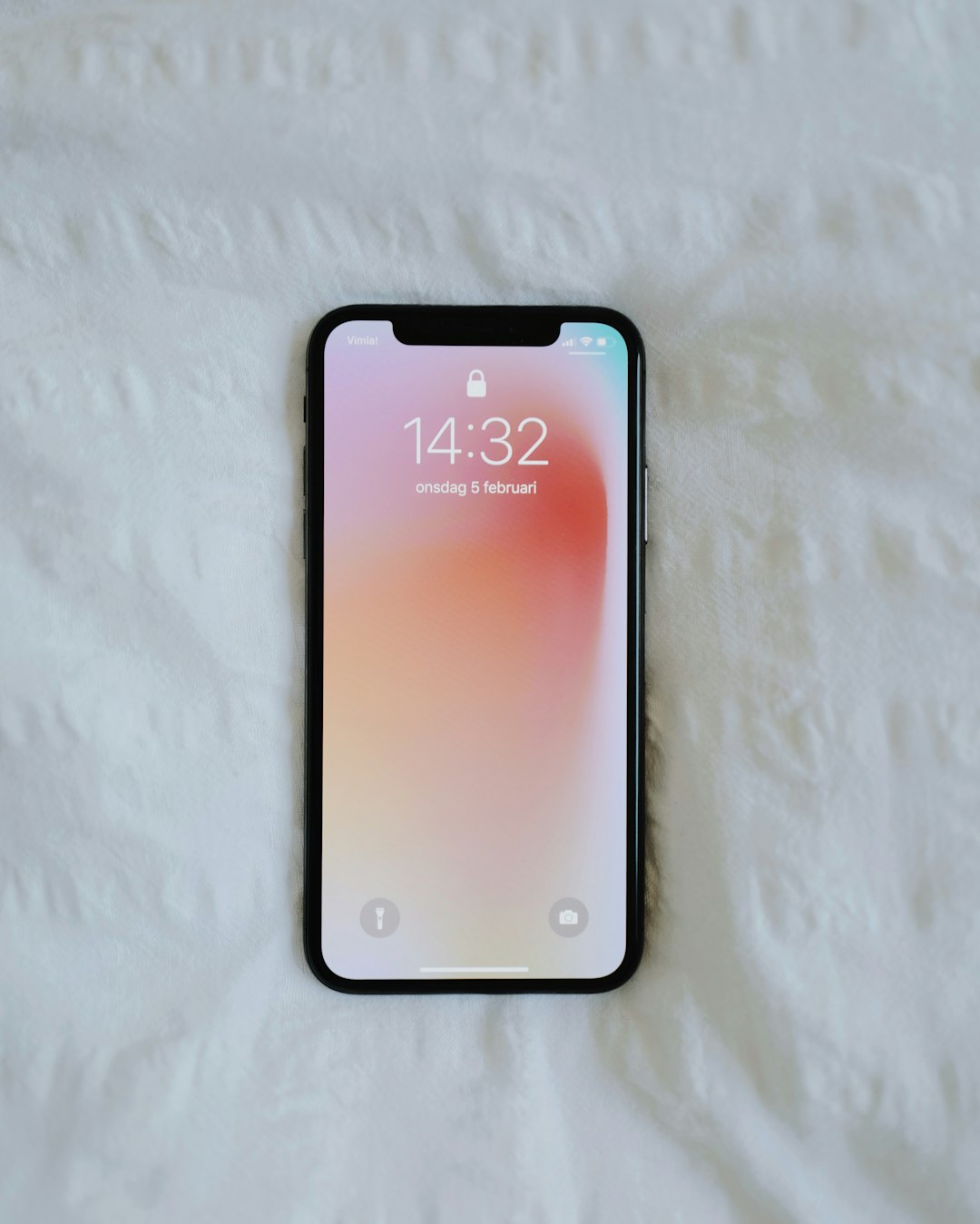
Unsolicited Commercial Messages (UCMs), a term familiar to many consumers, encompass a wide range of marketing communications that are delivered without prior consent from the recipient. In Washington State, these messages can take various forms, including spam texts, email, and direct mail advertisements. The key to understanding UCMs lies in their definition, which is crucial for businesses and individuals alike to grasp, especially with the proliferation of digital communication channels.
The Washington State Attorney General’s Office defines UCMs as any message that promotes or provides commercial information or offers to sell, lease, rent, or exchange property, goods, services, or investments. This definition highlights the intent behind the message—to further commercial interests. Examples include promotional emails from online retailers, unsolicited text messages advertising local businesses, and even certain types of social media posts with hidden promotional content. The Attorney General’s Office actively enforces laws against UCMs, particularly those that resemble spam texts, to protect consumers from intrusive and often misleading marketing tactics.
A notable aspect of Washington State’s approach is its strict regulations on how businesses can obtain and use consumer contact information. Businesses must secure explicit consent before sending UCMs, and failure to do so can result in legal consequences. This regulation aims to balance the rights of businesses to market their products or services with the right of consumers to control their communication preferences. For instance, a company cannot simply buy a list of phone numbers and start bombarding them with spam texts. Instead, they must employ opt-in strategies, such as offering incentives for subscriptions or providing clear options for consumers to indicate their interest in receiving promotional messages.
Practical advice for businesses aiming to comply with these laws involves implementing robust data collection practices and obtaining explicit consent from customers. This could involve checkboxes on email sign-up forms, text message opt-in mechanisms, or clear statements during the checkout process for online retailers. For consumers, staying vigilant and promptly reporting spam texts to their service providers is essential. Many mobile carriers offer tools to block unwanted messages, empowering individuals to take control of their communication channels.
Legal Limits on Text and Call Marketing

In Washington State, the regulation of unsolicited commercial messages, particularly text and call marketing, is a nuanced area governed by strict laws to protect consumers from spam texts. These rules are designed to maintain a balance between legitimate business communication and preventing excessive, unwanted contact. The state’s legislation sets clear limits on how businesses can engage in text and call marketing, offering valuable insights for companies aiming to comply with these regulations.
The Washington State Attorney General’s Office outlines that businesses must obtain prior express consent from recipients before sending any unsolicited texts or making automated calls. This means a consumer must explicitly agree to receive such messages, typically through an opt-in process. For instance, if a company wants to text advertisements to potential customers, they must secure explicit permission during the initial customer interaction. Failure to adhere to this rule can result in significant fines and legal repercussions for businesses engaging in spam texts.
Practical implementation involves utilizing opt-in forms on websites, soliciting consent during sales interactions, or providing clear options for consumers to register their preferences. Businesses should maintain accurate records of these consents, ensuring they have verifiable proof of a consumer’s agreement. This approach not only helps avoid legal troubles but also fosters a more positive relationship with customers by respecting their communication choices.
Rights and Remedies for Spam Texts in WA

In Washington State, the rights and remedies for spam texts are governed by state laws designed to protect consumers from unwanted commercial messaging. The state’s Consumer Protection Act (CPA) specifically addresses electronic communications, including text messages, used for promotional or advertising purposes. A lawyer specializing in spam texts in WA can help navigate these complex regulations.
Consumers in Washington have the right to seek legal action against entities sending unsolicited text messages, often referred to as spam texts. If a business or individual violates the state’s anti-spam laws by sending unwanted marketing messages, recipients may file complaints with the Attorney General’s Office. These complaints can lead to investigations and potential penalties for violators, including fines and injunctions. For instance, in recent years, several settlements have been reached where businesses agreed to stop sending spam texts and pay substantial penalties after being sued by Washington residents.
Practical advice for consumers facing spam texts is to document the messages they receive, including dates, times, and content. This evidence can be crucial when filing a complaint or pursuing legal action. Additionally, many telecom carriers offer tools to block specific numbers or types of messages. Utilizing these features, along with consulting a spam texts lawyer Washington residents have available, can significantly reduce the volume of unwanted text messages. By understanding their rights and taking proactive steps, consumers in WA can better protect themselves from the nuisance and potential risks associated with spam texts.
Enforcing Compliance: Roles of Consumers & Lawyers

In Washington State, the enforcement of laws pertaining to unsolicited commercial messages, particularly spam texts, involves a collaborative effort between consumers and lawyers. Consumers play a pivotal role by remaining vigilant and proactive in reporting suspicious or unwanted messages. This includes being aware of their rights and taking immediate action when they receive unsolicited text messages promoting products, services, or contests. By utilizing tools provided by the Federal Trade Commission (FTC) and Washington’s Attorney General’s office, consumers can easily file complaints against violators, contributing to a database that aids law enforcement in identifying recurring offenders.
Lawyers in Washington State are integral to ensuring compliance with these laws. They serve as advocates for consumers, guiding them through legal avenues when their rights are infringed upon by spam texts. Legal professionals specializing in consumer protection can offer strategic advice on how to proceed against companies or individuals engaging in unlawful practices. This may involve sending cease and desist letters, initiating legal actions in court, or negotiating settlements. A notable example is the recent successful lawsuit against a company known for flooding consumers’ inboxes with spam emails, resulting in substantial penalties and a precedent-setting ruling that enhanced protections for Washington residents.
Practical advice for both consumers and lawyers includes staying updated on legislative changes related to commercial messages and leveraging technology to filter and block spam texts effectively. Consumers should also keep detailed records of any unauthorized messages received, including dates, content, and contact information of the sender. Lawyers can leverage these records during legal proceedings, demonstrating patterns of non-compliance that warrant stricter penalties. By working together, consumers and lawyers in Washington State contribute to a robust system for enforcing anti-spam laws, ensuring a safer digital environment for all residents.