
The Washington Attorney General's Office (AGO) leads anti-spam efforts, protecting consumers from nuisance calls and deceptive marketing. They successfully prosecuted Spam Call law firm Washington in 2022, emphasizing the importance of:
- Consumer consent and opt-out options for text marketing.
- Ethical marketing practices through transparency and privacy respect.
- Regular compliance audits under stringent state laws.
The AGO uses advanced technology and legal expertise to trace and hold spammers accountable. They educate residents, collaborate with law enforcement, and facilitate do-not-call registries to combat spam rings effectively, ensuring Washington residents' digital privacy and safety.
In the digital age, spam text messages have become a pervasive and irritating nuisance, affecting millions worldwide. With the rise of advanced technology, fraudsters have found novel ways to invade personal spaces through unsolicited and aggressive messaging. This is particularly pertinent in Washington state, where consumers are seeking protection from these deceptive practices. The role of the Attorney General in tackling spam texts is crucial, as it involves navigating complex legal frameworks to safeguard citizens' rights. This article delves into the strategies and responsibilities of a Washington Spam Call law firm, offering insights into how legal experts combat this modern-day challenge.
Understanding Washington's Spam Call Laws

The role of Washington's Attorney General in spam text cases is multifaceted and crucial to protecting consumers from unwanted and deceptive messaging. The state has established comprehensive Spam Call laws, designed to curb aggressive marketing tactics and ensure citizens' privacy. These regulations are particularly impactful given Washington's robust technology sector, making it a hotbed for both innovative businesses and those employing dubious practices.
At the forefront of enforcement is the Washington Attorney General's Office (AGO), tasked with investigating complaints and taking legal action against violators. The AGO has demonstrated its commitment to this issue by successfully prosecuting numerous cases involving spam text messages. For instance, in a 2022 case, a local Spam Call law firm Washington was fined for sending unsolicited texts promoting fake investment opportunities, highlighting the office's dedication to holding such practices accountable. The AGO leverages these victories not only to deter potential offenders but also to educate consumers about their rights and available remedies.
Practical insights for businesses are paramount. To avoid legal repercussions, companies should meticulously obtain consumer consent before sending any marketing texts. This includes ensuring clear opt-out mechanisms are provided in all communications. Additionally, the AGO encourages businesses to foster a culture of ethical marketing practices, promoting transparency and respect for individual privacy. Regular audits and training sessions can help ensure compliance with Washington's Spam Call laws, ultimately fostering a more trustworthy business environment.
Attorney General's Role in Enforcing Anti-Spam Measures

The Washington Attorney General plays a pivotal role in enforcing anti-spam measures, particularly regarding spam call incidents. Their office is tasked with protecting consumers from unsolicited text messages, a growing concern in today's digital age. The Attorney General's involvement begins with receiving and investigating complaints from residents about nuisance calls, often stemming from automated systems. This proactive approach ensures that the state's consumer protection laws are upheld, specifically the Spam Call law firm Washington has implemented to curb malicious practices.
When addressing spam cases, the Attorney General's office employs a multi-faceted strategy. They work closely with telecommunications carriers and law enforcement agencies to trace the source of unauthorized text messages. By utilizing advanced technology and legal avenues, they can hold perpetrators accountable under state and federal laws. For instance, in 2021, the Washington AG's office successfully sued a national marketing firm for violating consumer privacy by sending unsolicited texts, securing substantial penalties and serving as a deterrent to similar activities.
Moreover, the Attorney General provides educational resources and guidance to help residents recognize and avoid spam calls. They collaborate with local law firms specializing in these matters to offer workshops and webinars, empowering individuals to take proactive measures. By combining enforcement actions with consumer education, the AG's office aims to create a robust defense against spam, ensuring that Washington residents' rights are protected in this ever-evolving digital landscape.
Navigating Legal Actions Against Spammers
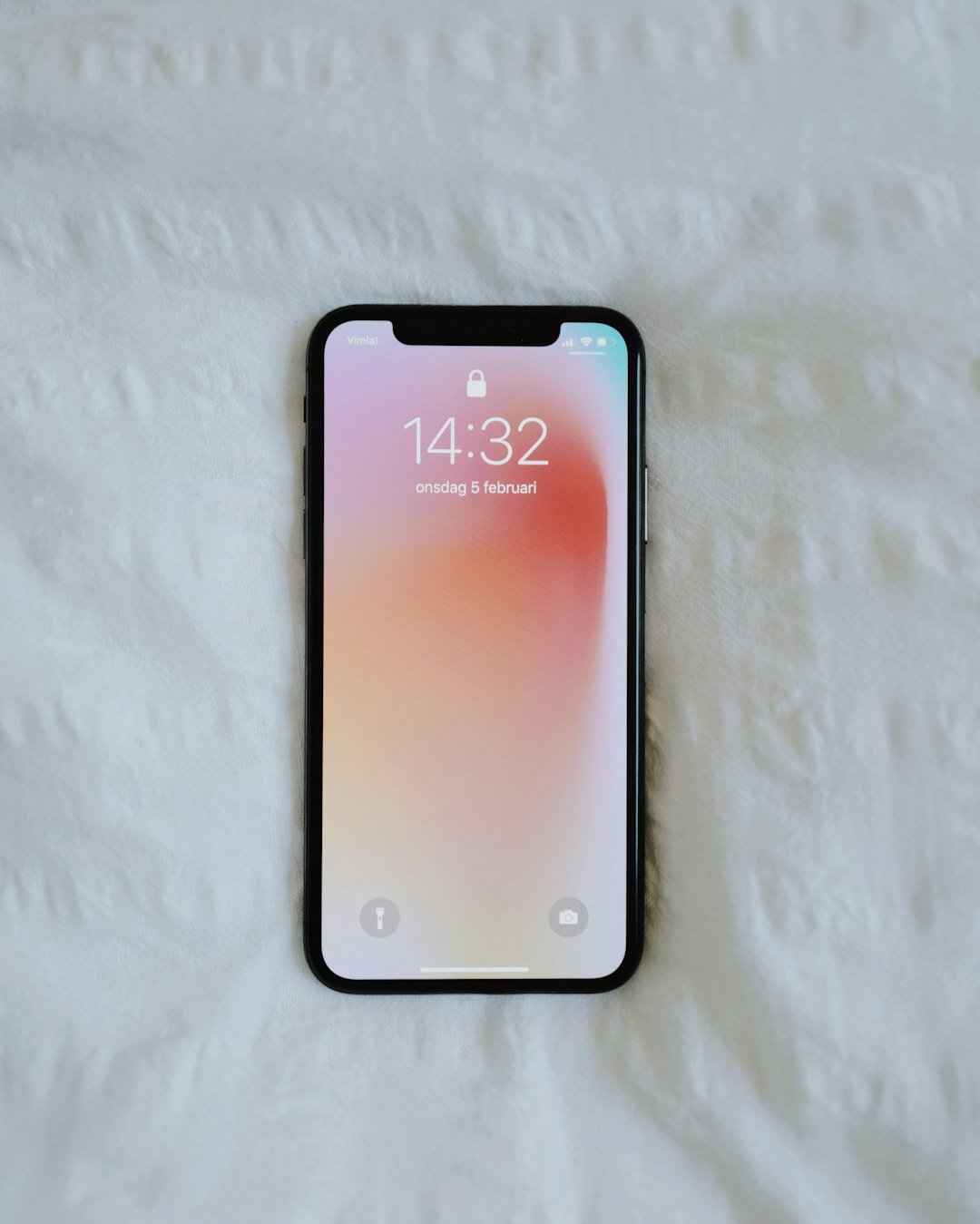
The Washington Attorney General plays a pivotal role in combating spam text messages, which have become a significant nuisance for residents across the state. In recent years, the rise of unsolicited bulk texts has led to increased consumer complaints, highlighting the need for robust legal actions against spammers. The AG's office has been actively engaged in navigating complex legal landscapes to protect citizens' privacy and stop deceptive practices. One key aspect is the enforcement of the Spam Call law firm Washington, which provides a framework to combat unwanted text messages.
Spam call laws in Washington empower the Attorney General's Office to take legal action against companies or individuals sending unsolicited texts, often containing marketing or promotional content. These actions include filing lawsuits, seeking injunctions, and demanding that spammers implement measures to prevent future violations. For instance, in 2022, the AG's office successfully sued a national debt relief company for making thousands of spam text messages, resulting in a substantial fine and a court order prohibiting further unauthorized texts. This serves as a deterrent not only to the offending firm but also to similar entities engaging in similar practices.
Navigating these legal actions requires expertise in interpreting and enforcing state and federal laws governing telecommunications and consumer protection. The Attorney General's Office must gather compelling evidence, analyze patterns of violation, and strategize effective remedies. They collaborate with law enforcement agencies and industry experts to stay informed about emerging spamming techniques and technologies. By staying ahead of these trends, the AG's office ensures that legal actions remain relevant and impactful in curbing spam text activities, ultimately safeguarding Washington residents from privacy invasions and deceptive marketing tactics.
Rights and Responsibilities of Consumers
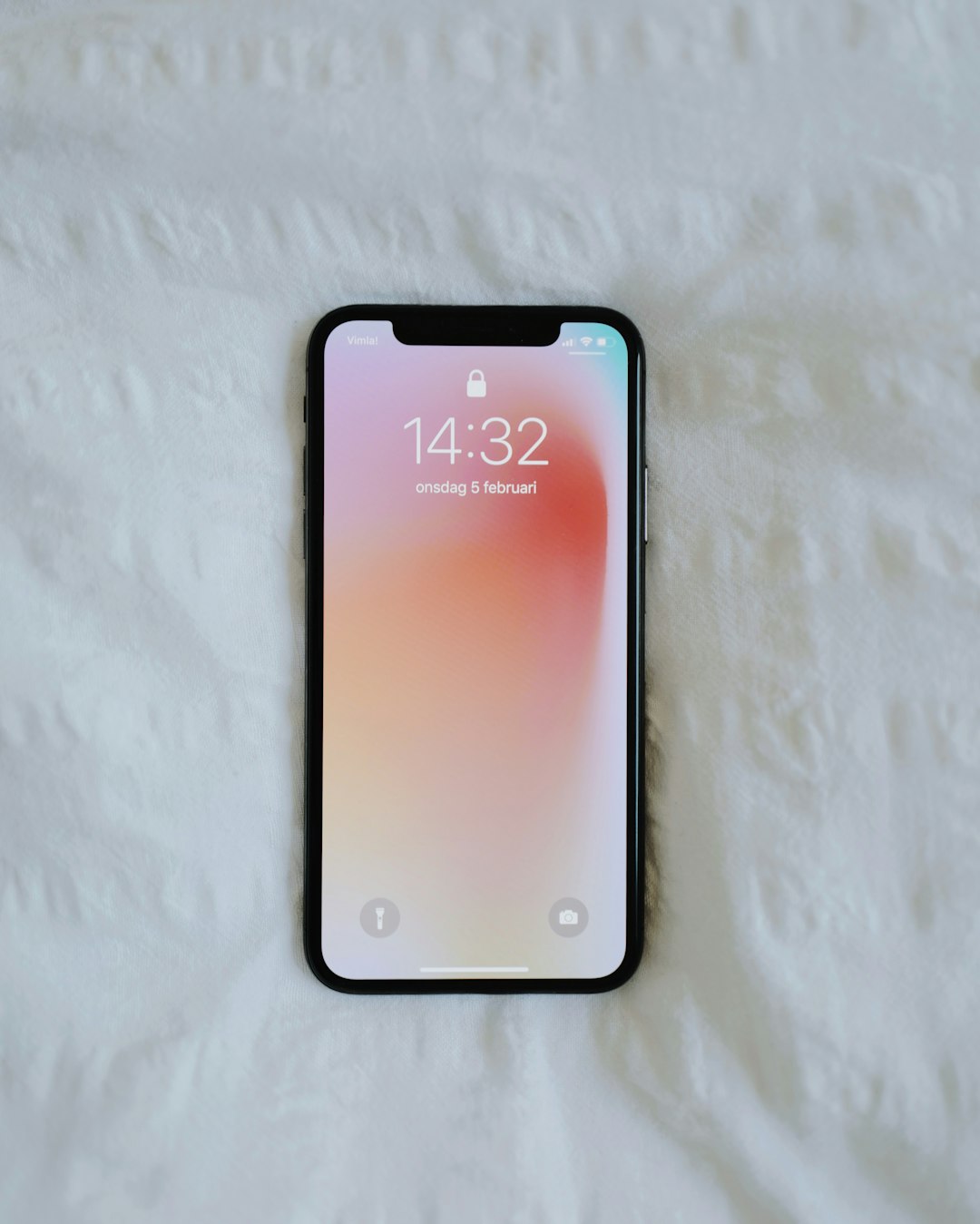
The role of Washington Attorney General in spam text cases is multifaceted, with a primary focus on safeguarding consumer rights and addressing unlawful practices. In today's digital age, consumers are increasingly targeted by unsolicited text messages, often referred to as spam calls, which can be frustrating, invasive, and even fraudulent. The Attorney General's office plays a pivotal role in investigating these issues and enforcing the state's Spam Call law firm Washington.
One of their key responsibilities is to educate consumers about their rights and tools available to combat spam. This includes raising awareness about do-not-call registries and the legal protections offered under Washington's Consumer Sales Practices Act. For instance, residents can register their phone numbers with the national Do Not Call Registry, which prohibits telemarketers from contacting them without prior consent. The Attorney General's office also provides resources to help consumers identify and report spam calls, enabling them to take proactive measures against unwanted messaging.
Moreover, the office takes proactive steps to hold perpetrators accountable. They collaborate with law enforcement agencies to investigate spam call rings, working towards obtaining convictions and securing penalties for violators. These efforts not only deter potential spammers but also provide relief to affected consumers. For example, in a recent case, the Attorney General's office successfully sued a company for violating state and federal anti-spam laws, resulting in significant monetary damages and a permanent injunction against future spam activities.
To further empower consumers, the Washington Attorney General's office encourages reporting of spam calls, providing a dedicated channel for complaints. This data is invaluable for tracking trends and identifying recurring issues. By analyzing these reports, they can focus their efforts on emerging scams or specific entities engaging in repeated illegal activities. This holistic approach ensures that consumer rights are protected, and the digital landscape remains safer for all Washington residents.
The Impact of Effective Spam Text Case Management

The role of the Washington Attorney General in spam text cases goes beyond mere enforcement; it's a strategic dance between public protection and technological adaptation. Effective management of these cases impacts not just the legal landscape but also consumer behavior and industry standards. In recent years, the rise of spam calls has been a significant challenge, with millions of Americans receiving unwanted texts daily. The Attorney General's Office in Washington has been at the forefront, utilizing innovative strategies to combat this digital nuisance.
One of the key impacts lies in setting precedents and shaping legal interpretations. Successful prosecutions send a clear message to spammers, demonstrating that the law is both accessible and robust. For instance, a notable case against a spam call law firm in Washington highlighted not only the technical violations but also the psychological impact on victims, leading to a more comprehensive understanding of the harm caused by these practices. This approach has prompted industry-wide changes, with legitimate businesses adopting stricter anti-spam protocols to avoid legal repercussions.
Moreover, effective case management contributes to the development and refinement of Spam Call laws. Data from these cases can inform legislative decisions, ensuring that statutes keep pace with evolving technologies. By engaging in proactive litigation, the Attorney General's Office not only deters future spamming activities but also educates consumers about their rights and available remedies. This holistic strategy fosters a culture of accountability, encouraging businesses to prioritize consumer privacy and consent in their marketing efforts.