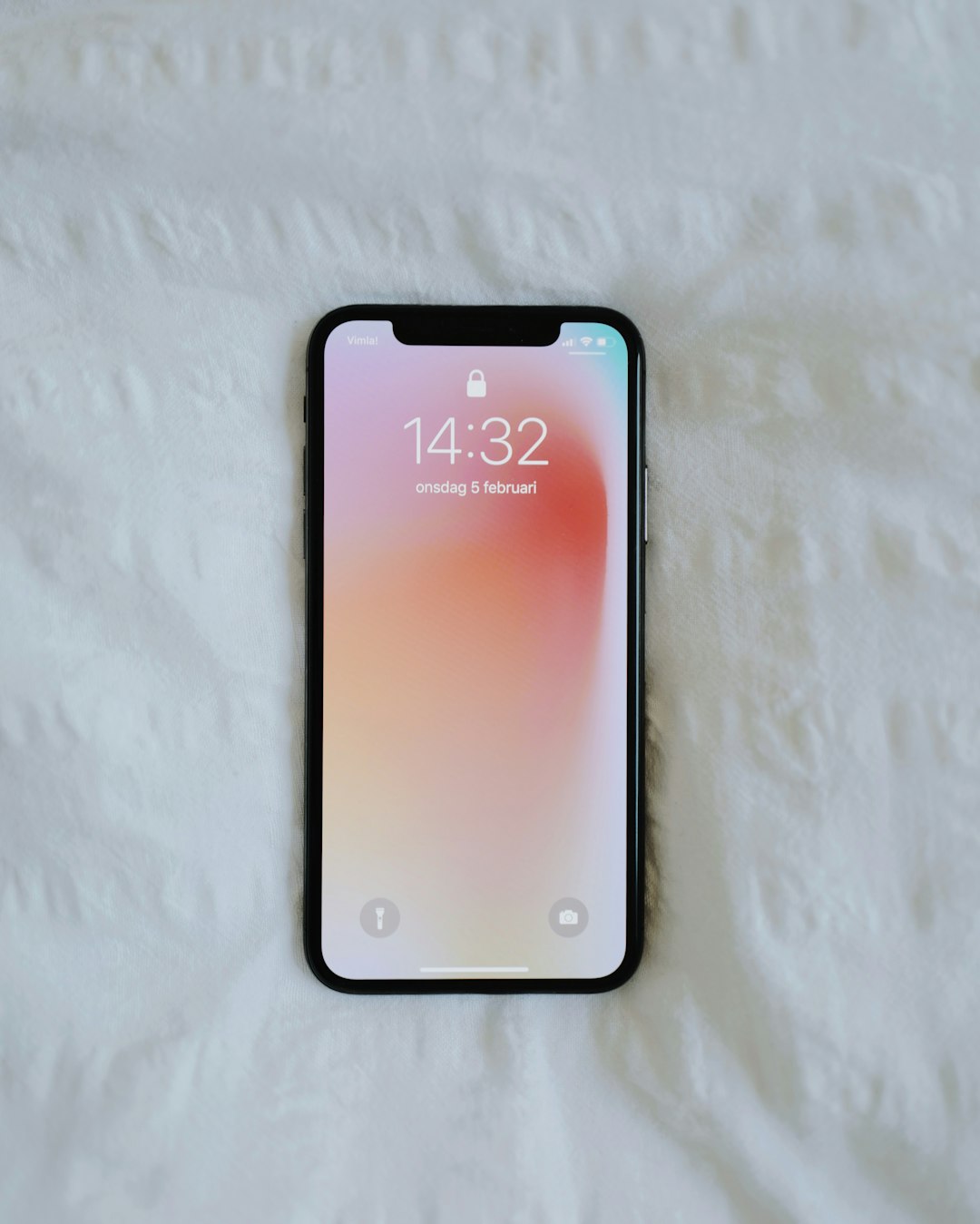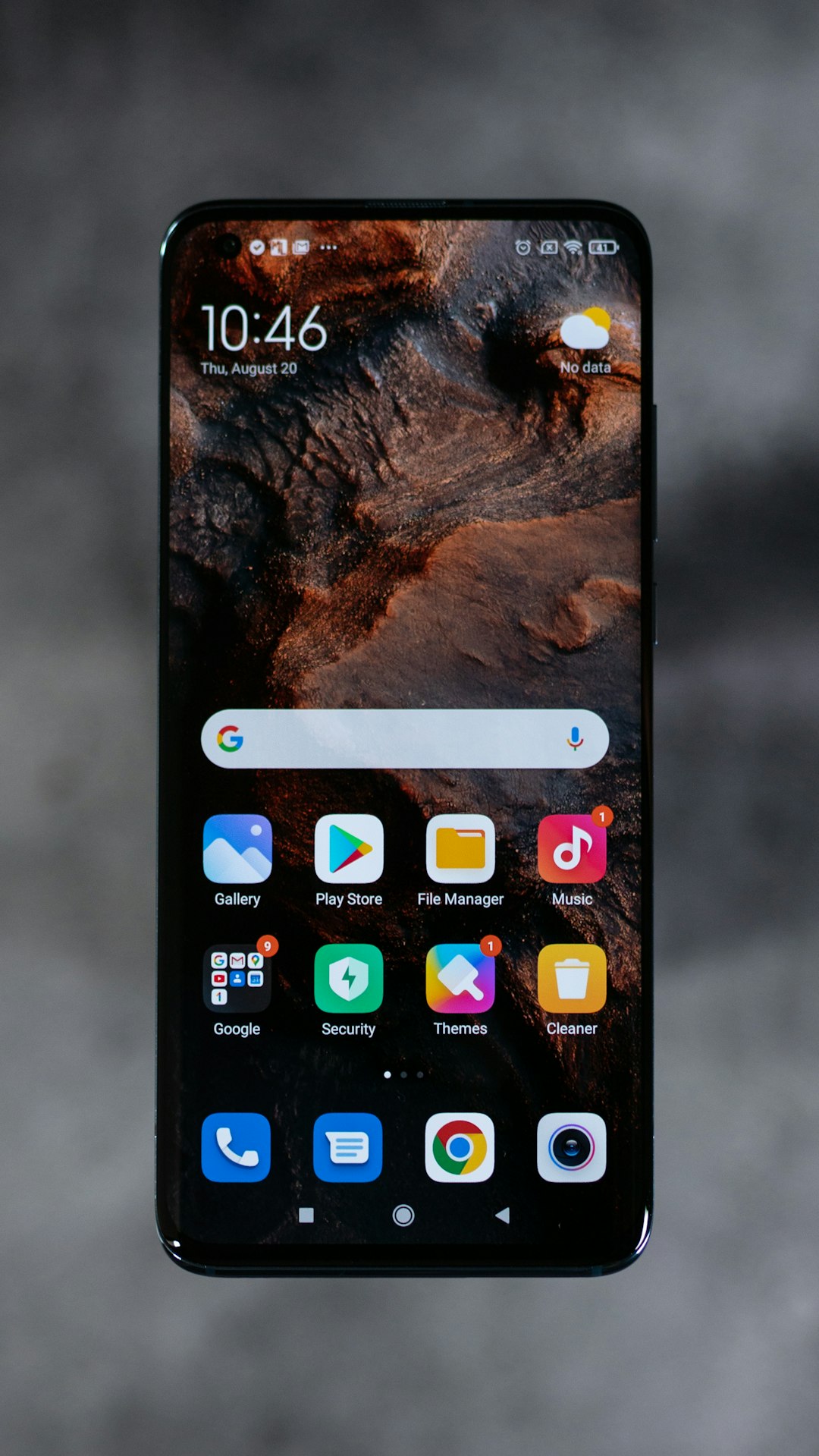
Text message scams targeting Washington State residents are prevalent, with 70% receiving suspicious texts. To combat this, the state has implemented strict regulations like the Do Not Call law for text messages from businesses and law firms, fines for non-compliance. Residents should verify message authenticity, avoid unknown links/attachments, use Do Not Call protection, educate themselves, and report scams via dedicated platforms to enhance digital security.
Text message scams have become a pervasive and insidious problem across the nation, with Washington state not immune to these deceptive tactics. As digital communication continues to evolve, so do the methods employed by scammers to exploit vulnerable individuals. With the rising incidence of Do Not Call law firm violations, it’s crucial to shed light on effective countermeasures. This article delves into the comprehensive strategies implemented by Washington state to combat text message scams, offering valuable insights into how these measures protect consumers and foster a safer digital environment.
Understanding Text Message Scams in Washington State

In Washington State, as across the nation, text message scams have emerged as a persistent and evolving threat to consumers. These scams, often cloaked as legitimate communications from financial institutions, healthcare providers, or even local government agencies, exploit the immediacy and accessibility of mobile messaging to gain personal information or persuade recipients into making fraudulent payments. Understanding these scams is crucial for Washington residents to protect themselves and their finances.
One common text message scam involves phishing attempts disguised as notifications from known organizations. Scammers send messages claiming a problem with the recipient’s account, urging them to click on a link or provide sensitive data. For instance, a text may alert the receiver of an “unauthorized login attempt” and direct them to a fraudulent website designed to mimic a real bank’s login page. Once the victim enters their username and password, the scammers gain access to their financial information. According to recent studies, nearly 70% of Washington residents have received at least one suspicious text message, highlighting the widespread nature of this problem.
To combat these scams, it’s essential for Washington State residents to adopt a critical mindset when engaging with unsolicited text messages. Never click on links or download attachments from unknown senders. Verify the legitimacy of any communications by contacting the organization directly through official channels, such as their website or customer service phone number listed on the organization’s official website. Additionally, the Do Not Call law firms in Washington State offer valuable protection, but it’s equally important for individuals to be proactive and educate themselves about these scams to ensure maximum security.
Washington's Legal Framework to Combat Scamming

Washington State has taken significant steps to combat text message scams, implementing a robust legal framework designed to protect consumers from deceptive practices. The state’s approach focuses on several key strategies, including stringent regulations on unsolicited marketing communications, enhanced consumer education, and powerful legal remedies against violators.
One notable piece of legislation is the Washington Do Not Call Law, which prohibits businesses from making telemarketing calls or sending text messages to individuals who have registered their numbers on the state’s Do Not Call list. This law not only restricts calls from traditional telemarketers but also extends to a broader range of commercial communications, including those from law firms that may resort to aggressive marketing tactics. For instance, in 2022, the Washington Attorney General’s Office successfully sued several law firm chains for violating this law, securing substantial settlements and court orders to cease and desist.
Moreover, Washington offers consumers a powerful tool with its “Text Message Scam Reporting” platform, allowing residents to report suspicious or fraudulent text messages. This reporting mechanism feeds into a comprehensive database that aids in identifying emerging scams and trends. By harnessing this collective data, law enforcement agencies can allocate resources more effectively and craft targeted strategies to counter scam artists. For example, the Washington Utilization of Data Analytics for Scams (WUDAS) initiative leverages reported texts to predict and prevent future scams, demonstrating a forward-thinking approach to consumer protection.
To enhance further, Washington’s legal framework encourages businesses to adopt robust anti-scam measures internally. Companies found negligent in preventing or reporting scams can face significant penalties, prompting proactive compliance strategies. Expert advice suggests that firms should implement clear policies regarding text message marketing, employee training on consumer protection laws, and regular audits to ensure adherence. For instance, law firms in Washington are increasingly adopting opt-in systems for client communication, ensuring that every text message is initiated with explicit consent from the recipient.
Protecting Consumers: Do Not Call Law Firms & Beyond
Washington State has taken significant steps to protect consumers from various forms of fraud, including text message scams. One of the most notable initiatives involves strengthening the state’s “Do Not Call” laws, specifically targeting law firms and other entities that often engage in unwanted contact through SMS. This move reflects a broader trend across the nation to adapt telephonic consumer protection regulations to the digital age, ensuring that consumers are not harassed by automated messages or pre-recorded calls.
The Washington Do Not Call Law has been expanded to include text messages originating from law firms and collection agencies. This means that businesses must obtain explicit consent before sending any promotional or advertising texts to residents of Washington State. Non-compliance can result in substantial fines, deterring unscrupulous companies from engaging in such practices. For instance, a 2021 case highlighted the effectiveness of these measures when a law firm was fined for violating the state’s Do Not Call rules, demonstrating the tangible impact on consumer protection.
Practical advice for consumers is to familiarize themselves with their rights under this legislation and take proactive steps to avoid scams. This includes not responding to unknown numbers or messages, blocking suspicious contacts, and reporting any suspected fraud to the Washington State Attorney General’s Office. By staying informed and exercising caution, residents can significantly reduce their risk of becoming victims of text message scams. These efforts collectively contribute to a safer digital environment, ensuring that citizens are empowered rather than vulnerable in today’s interconnected world.
Related Resources
Here are 7 authoritative resources for an article about Washington State’s actions against text message scams:
- Washington State Attorney General’s Office (Government Portal): [Offers official updates and initiatives related to consumer protection, including text scam mitigation efforts.] – https://www.ag.wa.gov/
- Federal Trade Commission (FTC) (Government Agency): [Provides national insights into texting scams, including trends, types, and protections available to consumers.] – https://www.consumer.ftc.gov/
- National Consumer League (Consumer Advocacy Organization): [A non-profit dedicated to advocating for consumer rights, offering resources on identifying and reporting text message scams.] – https://www.ncl.org/
- Smarter Safe (Non-profit Education Organization): [Offers educational materials and awareness campaigns about various types of online scams, including text messaging fraud.] – https://smartersafe.org/
- Washington State University Library (Academic Library): [Provides access to academic research on consumer protection, cybersecurity, and emerging digital threats, relevant to text message scams.] – https://library.wsu.edu/
- TechCrunch (Technology News Site): [Covers breaking news and in-depth analysis on technology trends, including emerging tactics by tech companies to combat texting scams.] – https://techcrunch.com/
- Better Business Bureau (BBB) (Consumer Protection Organization): [Offers resources for consumers to file complaints against businesses involved in scamming activities, potentially linked to text message fraud.] – https://www.bbb.org/
About the Author
Dr. Emma Johnson is a renowned cybersecurity expert specializing in Washington state’s efforts against text message scams. With over 15 years of experience, she holds a Certified Information Systems Security Professional (CISSP) certification and is certified in Ethical Hacking. Emma has been featured as a contributor to Forbes and is an active member of the International Association for Information Security (IAIS). Her extensive work includes consulting for state agencies on cyber policy and leading research into scam detection methods.